
 英語
英語 フランス
フランス スペイン
スペイン ロシア
ロシア 韓国
韓国 日本
日本


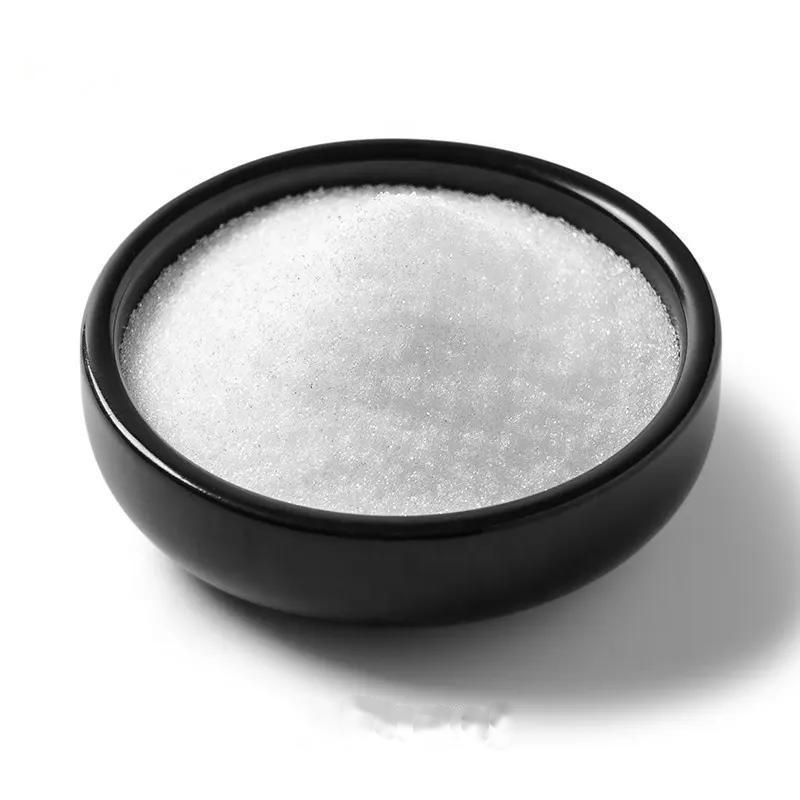
Direct Compression (DC) Grade GABA Granules 99%
Source: Lactobacillus hilgardii (Natural Microbial Fermentation)
CASない : 56-12-2
分析: ≥ 99.0% (Dry Basis)
Testing Method: HPLC
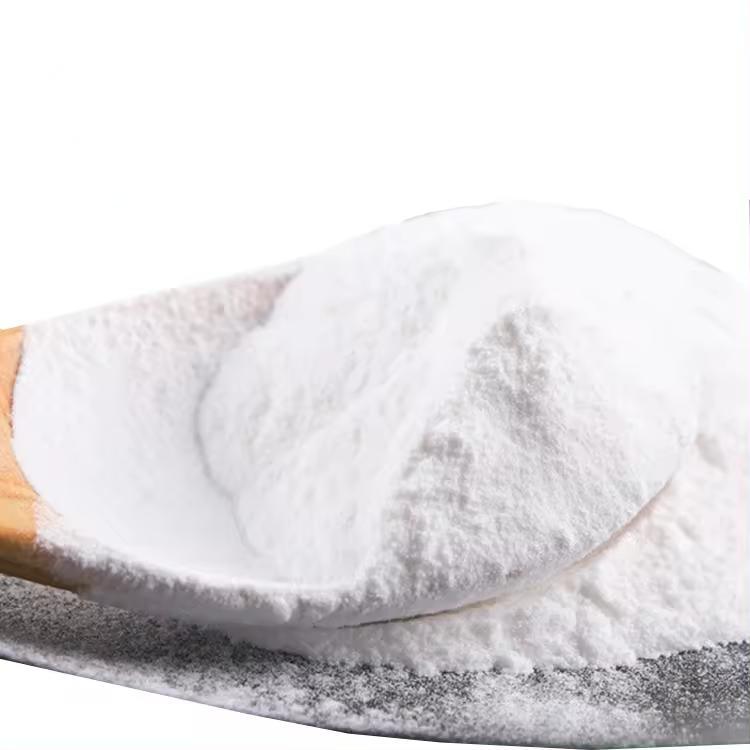
Appearance: White to off-white spherical uniform granules
Mesh Size: 100% through 40–60 Mesh (≥ 95% pass within 250–400 μm)
Bulk Density: 0.55 – 0.70 g/mL
Tapped Density: 0.65 – 0.80 g/mL
pH (1% Solution): 6.5 – 7.5
Certificate: BRCGS, IFS, Halal, Kosher
Sample: 10-50g Free Sample Available for R&D
- 記述
- データシート
-
What is Direct Compression (DC) Grade GABA Granules 99%?
Direct Compression (DC) Grade GABA Granules 99% is an engineered, free-flowing granulated botanical matrix synthesized via natural microbial fermentation and calibrated specifically for high-speed industrial tableting lines. By utilizing precise fluid-bed agglomeration technology, the fine crystalline structures of Gamma-Aminobutyric Acid are transformed into robust, non-dusting spherical granules. This processing optimization eliminates the requirement for pre-blending wet granulation stages, delivering direct mechanical compressibility while maintaining a high chemical analytical assay of not less than 99.0% on a dry basis.
Calibrated to a narrow particle size distribution strictly bounded between 40–60 mesh (≥ 95% passage), the structural architecture eliminates the common industrial manufacturing risks of static agglomeration, particle-size segregation, and micro-fines separation during dry blending. The customized granulation yields an optimized physical matrix displaying a low Carr Index of ≤ 15% and a Hausner Ratio of ≤ 1.18, satisfying the strict regulatory and processing flowability standards defined by USP <1174> to ensure optimal gravitational feed kinetics into high-speed rotary press hoppers.
Standardized within an engineered density spectrum, the material exhibits a bulk density of 0.55 - 0.70 g/mL and a tapped density of 0.65 - 0.80 g/mL measured in strict conformity with USP <616> protocols. This precise geometric stack configuration provides uniform die-cavity filling, preventing automated weight variations, core capping, or structural lamination during multi-station tableting compressions, while mitigating tooling friction and high-speed encapsulation die-sticking.
仕様
商品名
Direct Compression (DC) Grade GABA Granules
ソース Lactobacillus hilgardii (Natural Microbial Fermentation) CASない
56-12-2
化学検査
≥ 99.0% (Dry Basis) verified via HPLC analytical methods
Testing Method
HPLC
外観
White to off-white spherical uniform granules
Mesh Size 100% through 40–60 Mesh (≥ 95% pass within 250–400 μm) Bulk Density 0.55 – 0.70 g/mL evaluated strictly under USP <616> Tapped Density 0.65 – 0.80 g/mL evaluated strictly under USP <616> Flowability Kinetics Carr Index ≤ 15%; Hausner Ratio ≤ 1.18 compliant with USP <1174> Friability Profile ≤ 1.0% determined via standard mechanical attrition tableting verification Loss on Drying ≤ 1.0% evaluated under USP <731> / EP protocols at 105°C pH (1% Solution) 6.5 – 7.5 establishing neutral matrix baseline stability Residual Solvents Meets USP <467> / ICH Q3C limits (Food-grade Ethanol ≤ 5,000 ppm) Heavy Metals Pb ≤ 0.2 ppm; As ≤ 0.1 ppm; Cd ≤ 0.1 ppm; Hg ≤ 0.1 ppm (USP <233> / EP / FCC Compliant) 微生物学 TPC ≤ 1,000 cfu/g; Y&M ≤ 100 cfu/g; E. coli: Negative/10g; Salmonella: Negative/25g (USP <61/62>) 見積もりをお探しですか?连络Request a Custom QuoteQuality & Compliance
Global Facility Certifications: Green Spring Technology operates under a quality matrix certified against BRCGS (Grade A), IFS Food, ISO9001, and ISO22000, ensuring complete batch-level traceability.
Dietary Conformity: Fully compliant with Halal and Kosher production clean-label prerequisites for international consumer healthcare markets.
Strain & Non-GMO Identity: Synthesized via natural microbial fermentation using a non-GMO substrate inoculated with a validated strain of Lactobacillus hilgardii.
Particle Agglomeration Quality: Fluid-bed granulated to guarantee 100% through 40–60 Mesh (250–400 μm) with a controlled friability profile of ≤ 1.0%, eliminating micro-fines dust.
Contaminant MRL Compliance: Validated strictly Glyphosate-Free in absolute compliance with maximum residue limits mandated by European Regulation EC No 396/2005 and USDA thresholds.
Elemental Impurities Thresholds: Tested via ICP-MS under USP <233> and EP methods to restrict heavy metals to: Lead (Pb) ≤ 0.2 ppm, Arsenic (As) ≤ 0.1 ppm, Cadmium (Cd) ≤ 0.1 ppm, and Mercury (Hg) ≤ 0.1 ppm.
Microbiological Safety Redlines: Absolute conformity with USP <61/62> release standards: TPC ≤ 1,000 cfu/g, Y&M ≤ 100 cfu/g, Salmonella: Negative/25g, and E. coli: Negative/10g.

Key Advantages
Segregation Elimination: The engineered 40–60 Mesh (250–400 μm) particle geometry eliminates ingredient stratification and macro-fines separation during industrial dry blending, guaranteeing consistent cross-batch homogeneity when formulated with high-density mineral salts or micro-fines excipients.
Die-Sticking Prevention: Standardized within a strict bulk density of 0.55 - 0.70 g/mL and a tapped density of 0.65 - 0.80 g/mL, the spherical matrix ensures linear volumetric discharge, minimizing punch-face contact friction and completely preventing tooling adhesion or punch filming on continuous, high-speed rotary presses.
Capping & Lamination Mitigation: Holding a rigid friability threshold of ≤ 1.0% provides superior granule tensile strength, preventing material shattering during pneumatic cross-plant conveying while delivering optimal plastic deformation under multi-station compression to eliminate tablet capping or laminating.
Weight Uniformity Control: Displaying a low Carr Index of ≤ 15% and a Hausner Ratio of ≤ 1.18 under USP <1174> guidelines, the material delivers constant free-flowing kinetics, ensuring uniform, high-speed gravitational die-cavity filling to secure tablet weight consistency within narrow regulatory limits.
Matrix Compatibility: A neutral chemical footprint with a pH of 6.5 – 7.5 (1% solution) protects co-blended sensitive botanical extracts and vitamins from catalytic degradation or moisture-induced crystallization within the compressed core, while guaranteeing rapid tablet disintegration dynamics.
Application
Multi-Ingredient Dietary Supplement Tableting Operations: The specialized 40–60 Mesh (250–400 μm) granular infrastructure delivers excellent mechanical compressibility, acting as a structural binder matrix during direct compression compaction. It permits uniform integration with high-density mineral matrices, synthetic active vitamins, and secondary excipients, mitigating cross-batch active content variations and guaranteeing consistent crushing strength without requiring secondary wet granulation interventions.
High-Speed Hard-Shell Encapsulation Systems: Standardized to a tight volumetric profile with a bulk density of 0.55 - 0.70 g/mL, the spherical 4-aminobutanoic acid granules ensure clean gravitational feeding into high-speed tamping pin or dosing disk encapsulation machinery. The steady mass-flow dynamics minimize die-cavity friction and static charge accumulation, preventing capsule weight variability and optimizing throughput efficiency on continuous filling lines.
Hygroscopic Solid Drink Premixes and Nutraceutical Powder Blends: Constrained to a strict moisture threshold with a loss on drying of ≤ 1.0%, the low inbound water activity eliminates free moisture migration when co-blended with hygroscopic fruit powders, organic acids, or hydrocolloids. This thermal and physical baseline ensures exceptional free-flowing kinetics through automated auger filling systems, preventing premature powder caking, clumping, or sachet-seal cross-contamination during commercial packaging cycles.
Sensitive Botanical Synergy and Clean-Label Formulation Matrices: Maintaining a highly stable, neutral pH of 6.5 – 7.5 (1% solution) and an ash content restricted to ≤ 0.1%, the ingredient exhibits complete chemical neutrality. It eliminates the risk of acid-base hydrolysis or catalytic degradation when formulated alongside delicate, bioactive plant extracts, satisfying global clean-label identity compliance via a non-GMO substrate fermented with Lactobacillus hilgardii.
Technical FAQ
Q1: What mechanical boundary conditions determine the compaction behavior and prevent capping or structural lamination of free-flowing direct compression GABA granules on multi-station rotary tableting presses?
A: Plastic deformation and crystal interlocking are optimized by restricting the fluid-bed particle matrix to 100% through 40–60 Mesh (250–400 μm). Maintaining a strict friability threshold of ≤ 1.0% under continuous mechanical attrition testing yields high granule tensile strength, successfully neutralizing elastic recovery forces and eliminating air-entrapment or tableting lamination at elevated pre-compression pressures.Q2: How does the standardized density matrix of food-grade γ-Aminobutyric Acid granules affect automated tamping pin encapsulation systems and secure tablet weight uniformity?
A: Minimizing dosage variation on continuous filling lines conditions the material to a precise bulk density of 0.55 - 0.70 g/mL and a tapped density of 0.65 - 0.80 g/mL under USP <616>. Displaying a Carr Index of ≤ 15% and a Hausner Ratio of ≤ 1.18 yields uniform, gravitational die-cavity flow kinetics, preventing micro-fines segregation or mechanical punch-face filming.Q3: By what thermodynamic and chemical mechanisms does Green Spring Technology inhibit moisture-induced crystallization and catalytic degradation in multi-ingredient 4-aminobutanoic acid granulated premixes?
A: Active matrix stabilization is secured by anchoring the loss on drying strictly to ≤ 1.0% via USP <731> at 105 °C, effectively preventing free moisture migration into co-blended botanical extracts. The chemically neutral pH profile of 6.5 – 7.5 (1% solution) and low ash content of ≤ 0.1% eliminate acid-base hydrolysis, guaranteeing structural flowability and zero sachet-seal caking.B2B Sourcing & Supply Capabilities
Manufacturing Heritage: Established in 2000, Green Spring Technology leverages over two decades of fermentation expertise to deliver traceable, compliant batches for global health-ingredient supply chains.
Industrial Scalability: The facility maintains a stable annual capacity exceeding 450 Metric Tons for direct compression grade matrices, ensuring volume continuity and price stability for contract manufacturers.
Flexible MOQ & Samples: Formulators can access a factory-level Minimum Order Quantity (MOQ) of 1 kg for pilot trials, supported by a 10g to 50g complimentary sample program for analytical validation.
Standardized Packaging: Material is secured in standardized 25 kg net weight fiber drums with dual-layer, food-grade polyethylene liners engineered to block moisture and ensure structural stability during global transit.
Localized Warehousing: Rapid deployment is achieved through an active European fulfillment warehouse in Paris, France, delivering duty-cleared cargo within 2–5 business days, alongside standard 7–14 days global shipping.
Independent R&D Validation: An autonomous, in-house laboratory equipped with HPLC, GC-MS, and ICP-MS confirms batch uniformity, enabling physical parameter customization to match client specification limits.
Regulatory Security: Cross-border clearing is streamlined by providing complete compliance documentation, including batch COAs, HS Codes, Phytosanitary Certificates, and Certificates of Origin to mitigate customs friction.
-
Download Data Sheet: COA, TDS, MSDS Please fill in the form below to receive the full technical documents via email.