
 英語
英語 フランス
フランス スペイン
スペイン ロシア
ロシア 韓国
韓国 日本
日本


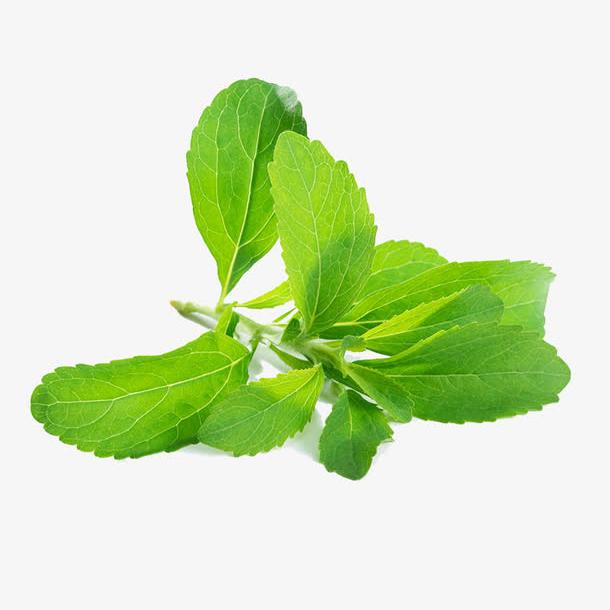
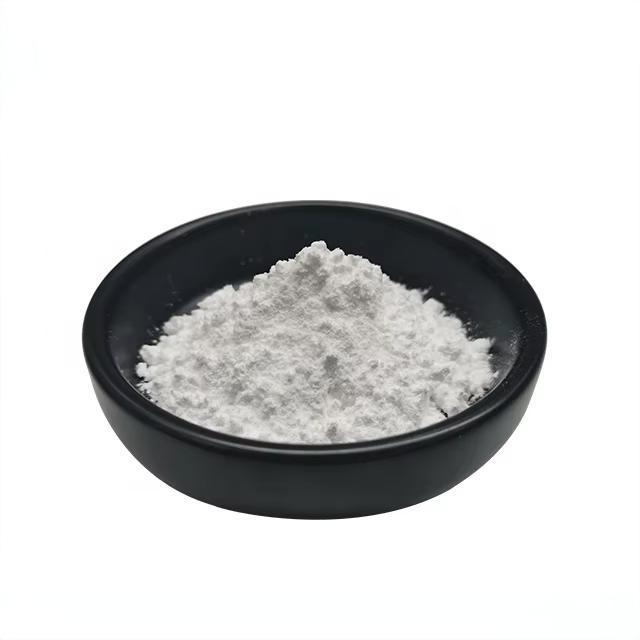
Rebaudioside M 95% Stevia Extract
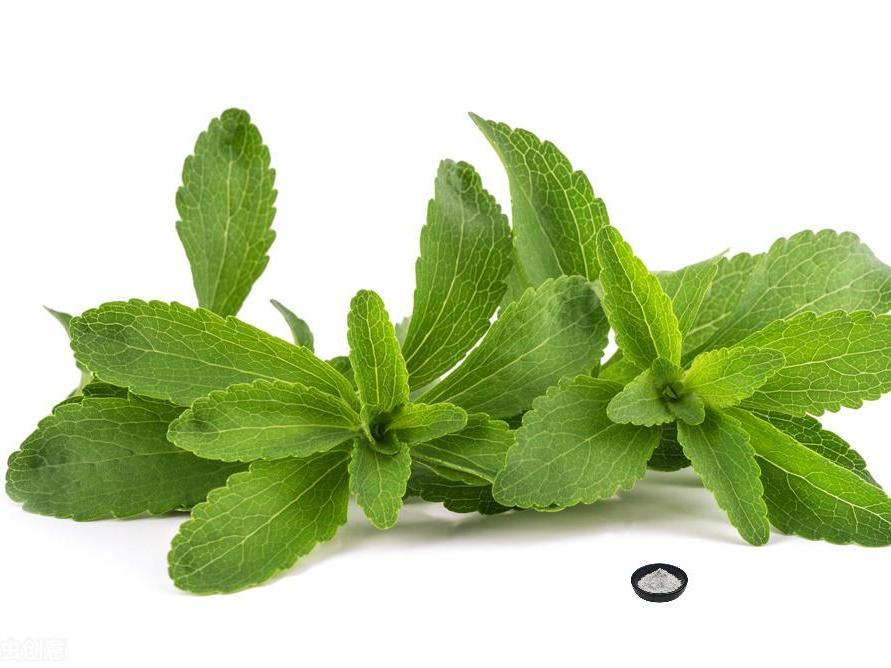
Source: ステビアrebaudiana Bertoni (L.) leaf
分析: Rebaudioside M ≥ 95.0% (On Dry Basis)
Testing Method: HPLC
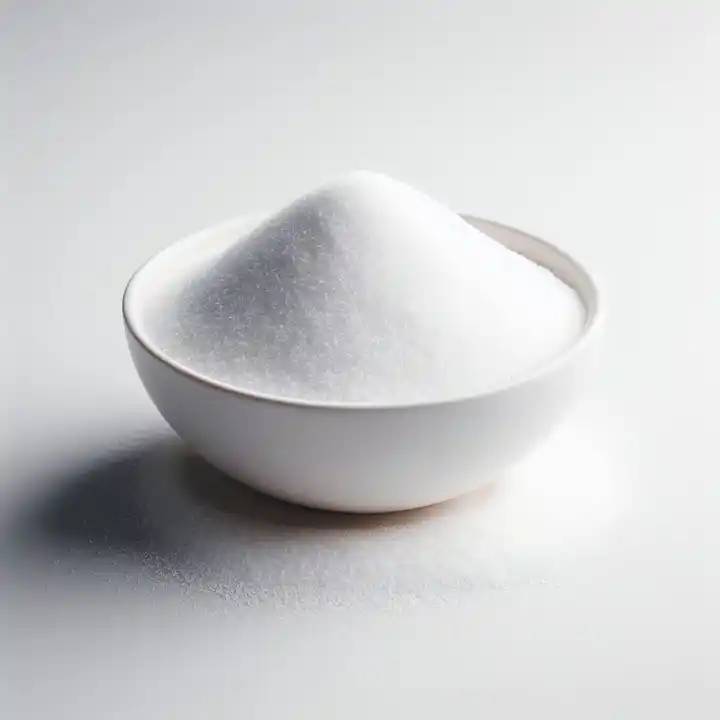
Appearance: Fine White Crystalline Powder
Molecular Weight: 1291.30 g/mol
Mesh Size: 100% through 80 mesh
Bulk Density: 0.35-0.50 g/mL
Loss on Drying: ≤ 4.0%
Water Activity: ≤ 0.25
pH Stability: 4.5 to 7.0
Certificate: BRCGS, IFS, Organic (USDA/EU), Halal, Kosher
Sample: 10-50g Free Sample Available for R&D
- 記述
- データシート
-
What is Rebaudioside M 95% Stevia Extract?
Rebaudioside M 95% Stevia Extract is a next-generation, high-intensity diterpene glycoside isolated from the leaf matrix of ステビアrebaudiana Bertoni (L.). Standardized via High-Performance Liquid Chromatography (HPLC) to contain a minimum 95.0% Rebaudioside M on a dried basis, this fine white powder exhibits a sweetening intensity approximately 250 to 350 times that of sucrose without structural breakdown.
The chemical architecture is defined by an aglycone steviol core conjugated to six glucose moieties, featuring two hydrophilic glycosidic chains bonded at the C-13 and C-19 positions, yielding a molecular weight of 1291.30 g/mol. This precise structural configuration presents an optimal spatial alignment that avoids the mechanical activation of bitter-taste receptors (TAS2Rs) on the human tongue, completely eliminating the metallic lingering and licorice-like aftertaste associated with lower-order steviol glycosides.
The refined manufacturing pipeline utilizes a multi-stage ion-exchange chromatography loop and water crystallization matrix, maintaining zero contact with chlorinated hydrocarbon solvents to limit residual ethanol under 5000 ppm and methanol under 200 ppm. Green Spring Technology controls the physical mechanics to a standard where 100% passes through an 80-mesh screen (D90 <= 150 um), maximizing dissolution kinetics in liquid systems while keeping moisture ≤ 4.0% Loss on Drying to impede hygroscopic caking.
仕様
商品名
Rebaudioside M 95% Stevia Extract
ラテン語名
ステビアrebaudiana Bertoni (L.)
ソース Stevia rebaudiana Bertoni (L.) leaf
過程
Multi-Stage Ion-Exchange Chromatography Purification & Water Crystallization
化学検査
Rebaudioside M ≥ 95.0% (On Dry Basis)
Testing Method
High-Performance Liquid Chromatography (HPLC)
分子量 1291.30 g/mol 外観 Fine White Crystalline Powder
Odor & Taste Intense Sweetness, Sucrose-Like Taste Profile, Zero Metallic Aftertaste Mesh Size 100% through 80 mesh (D90 ≤ 150 μm) Bulk Density 0.35 g/mL to 0.50 g/mL Loss on Drying ≤ 4.0% Water Activity (Aw) ≤ 0.25 (Calibrated for hygroscopic caking mitigation) Solubility Rapid dissolution in ambient and cold-water liquid blending systems pH Stability 4.5 to 7.0 (1% Aqueous Solution) Heavy Metals (ICP-MS) Pb ≤ 0.5 ppm, As ≤ 0.5 ppm, Cd ≤ 0.1 ppm, Hg ≤ 0.03 ppm [Complies with USP <2232>] Residual Solvents (GC-HS) Ethanol ≤ 5,000 ppm, Methanol ≤ 200 ppm [Complies with ICH Q3C Class 3] Pesticide Residues Complies with (EC) No 396/2005 & USP <561> via GC-MS/MS & LC-MS/MS Microbiological Security TAMC ≤ 1,000 cfu/g, TYMC ≤ 100 cfu/g, Salmonella: Absent/25g, E. coli: Absent/10g [USP <61> & <62>] 見積もりをお探しですか?连络Request a Custom QuoteQuality & Compliance
Global Food Safety Infrastructure: Processing facilities hold active BRCGS (Grade A) and IFS (Higher Level) certifications, ensuring strict food safety
hazard control and compliance with multi-center multinational corporate vendor qualification protocols.
US Market Regulation: The manufacturing installation runs under continuous FDA Facility Registration, facilitating automated data tracking and streamlining Foreign Supplier Verification Program (FSVP) compliance for clean-label bulk ingredient entry into the United States.
Phytochemical Purity Titer: High-Performance Liquid Chromatography (HPLC) validation registers a minimum 95.0% Rebaudioside M concentration on a dried basis, guaranteeing precise monomer homogeneity that adheres directly to USP, FCC, and JECFA structural specifications.
Standardized Traceability Systems: Operational parameters are strictly governed by validated ISO9001 and ISO22000 architectures, securing unbroken batch traceability and data logging from botanical Stevia rebaudiana leaf reception to finished lot shipment.
Global Identity & Standard Credentials: Commercial supply pipelines are reinforced by verified, unexpired Halal and Kosher certifications for universal consumer alignment, supplemented by EU Organic, USDA Organic, and COSMOS registrations to enforce clean-label integrity.
Contaminant Release Thresholds: Mass spectrometry analytics restrict elemental metal burdens to Pb <= 0.5 ppm, As <= 0.5 ppm, Cd <= 0.1 ppm, and Hg <= 0.03 ppm to satisfy USP <2232> criteria, paired with strict USP <61> & <62> microbiological boundaries (TAMC <= 1,000 cfu/g, TYMC <= 100 cfu/g). Shipments verify complete compliance with USP <561> pesticide exclusions and ICH Q3C Class 3 solvent metrics, limiting residual ethanol under 5000 ppm and methanol under 200 ppm.

Key Advantages
Receptor Activation Blockade: Standardized to a minimum 95.0% Rebaudioside M via HPLC, the molecular fingerprint eliminates the sterically hindered structures that trigger human bitter-taste receptors (TAS2Rs). This specific glycosidic alignment provides an immediate sucrose-like sweetness onset, enabling R&D formulators to completely bypass intensive bitter-masking additives and reduce cost-in-use.
High-Molecular Excipient Compatibility: Featuring a rigid chemical framework with a molecular weight of 1291.30 g/mol, the ingredient exhibits high structural neutrality when dry-blended with polyols or soluble fibers. The molecule resists chemical cross-interactions and structural cleavage, preventing premature color degradation, precipitation, or phase separation across an extended processing pH spectrum of 4.5 to 7.0.
Thermal and Solution Stability: The diterpene glycoside structure maintains complete skeletal integrity under high-temperature manufacturing environments, showing zero thermal degradation or loss of sweetening potency. The rapid dissolution kinetics support clean, residue-free dispersion in ambient and cold-water blending systems, preventing pipeline crystallization or particulate fouling during continuous UHT or HTST loops.
Powder Flowability Mechanics: Engineered with a strict particle size distribution where 100% passes through an 80-mesh screen (D90 <= 150 um) and initial moisture ≤ 4.0% Loss on Drying, the powder minimizes static charge. Restricting Water Activity (Aw) <= 0.25 prevents bulk hygroscopic caking and hopper bridging, ensuring a uniform mass flow coefficient across high-speed automatic filling lines.
Applications
Aqueous Beverage Formulation & Continuous Blending Lines
The ingredient provides complete structural and sweetening stability across high-speed liquid lines, including carbonated soft drinks and functional waters. Operating flawlessly across a processing pH spectrum of 4.5 to 7.0, the molecule maintains full skeletal integrity with zero hydrolytic cleavage under automated agitation. The extreme water solubility kinetics support rapid dispersion without particulate fouling, ensuring zero pipeline crystallization on processing hardware during ultra-high temperature (UHT) pasteurization, HTST lines, or autoclaving loops.Solid Dosage Matrices & Fluidized Bed Blending
The powder exhibits high physical compatibility within direct compression (DC) tableting machine setups and automated capsule filling systems. Engineered with a controlled particle size distribution where 100% passes through an 80-mesh screen (D90 <= 150 um) and moisture ≤ 4.0% Loss on Drying, the matrix secures a homogenous geometric distribution. The restriction of Water Activity (Aw) <= 0.25 limits intermolecular hydrogen bonding during high-shear blending, preventing mass-stratification or particle agglomeration in automated feed hoppers.Powdered Pre-mixes & Effervescent Delivery Systems
The formulation adaptability satisfies strict process parameters of hydration-sensitive sports nutrition pre-mixes and effervescent delivery systems. Standardized to a minimum 95.0% Rebaudioside M via HPLC, the purified crystalline structure guarantees uniform batch-to-batch sweetness without altering matrix dissolution kinetics. The optimal bulk density of 0.35 g/mL to 0.50 g/mL matches volumetric filling hardware tolerances, eliminating packaging weight variance at high machinery packaging frequencies.
Technical FAQ
Q1: What is the risk threshold for dynamic crystallization or particulate sedimentation when formulating Rebaudioside M 95% Stevia Extract into ultra-high concentration liquid syrup lines under low-pH processing environments?
A1: HPLC verification proves Rebaudioside M 95% Stevia Extract limits hydrolytic cleavage below 1.5% at pH 4.5 to 7.0. For concentrations exceeding 1.0%, this Stevia Extract Reb M 95% (1291.30 g/mol) requires pipeline blending above 60°C. This thermodynamic index prevents post-cooling recrystallization, precipitate fouling, or cloudiness during continuous pumping through UHT or HTST pasteurization lines.
Q2: How do the specific granularity metrics of this High Purity Reb M Sweetener mitigate mass-stratification and automated hopper bridging on high-speed Direct Compression (DC) tableting machine setups?
A2: Maintaining a manufacturing facility relative humidity below 35% RH optimizes mass flow consistency for this High Purity Reb M Sweetener. Engineered with a precision grain size of 100% through 80 mesh (D90 <= 150 um) and moisture ≤ 4.0% Loss on Drying, the matrix minimizes friction. Restricting Water Activity (Aw) <= 0.25 utilizes the bulk density of 0.35 g/mL to 0.50 g/mL to eliminate hopper bridging and punch-face die-sticking.
Q3: Can this Standardized Stevia Leaf Extract (Reb M 95%) completely eliminate prolonged licorice-like aftertastes and bitter receptor cross-activation in premium clean-label formulations without auxiliary masking agents?
A3: A Standardized Stevia Leaf Extract (Reb M 95%) refined via multi-stage chromatography successfully isolates the specific monomer that bypasses human bitter-taste receptors (TAS2Rs). Maintaining this precise minimum 95.0% Rebaudioside M baseline delivers an immediate sucrose-like sweetness curve on the palate, bypassing lingering licorice or metallic notes. This molecular precision allows formulators to remove high-cost bitter-masking additives entirely and reduce cost-in-use.
B2B Sourcing & Global Supply Capabilities
Annual Capacity & Volume Security: Production infrastructure commands a dedicated annual output of 1,500 tons for high-purity glycosides, ensuring uninterrupted contract continuity for global corporate supply chains. This centralized manufacturing volume acts as a strategic buffer, neutralizing procurement risks linked to seasonal botanical crop fluctuations and volume volatility.
Global Transit & European Warehouse: Distribution channels seamlessly leverage premier shipping gateways, including the Qingdao Port and Shanghai Port. Green Spring Technology accelerates continental delivery via immediate spot-inventory dispatch from an overseas warehouse in Paris, France, supporting standard trade terms including FOB, CIF, and CFR.
Industrial Packaging & Shelf Life: Finished lots are distributed in standard 25 kg Paper Drums built with multi-layer barrier linings to preserve the crystalline physics. Under regulated storage environments, the ingredient carries a verified shelf life of 24 months, securing the minimum 95.0% Rebaudioside M threshold against hygroscopic phase transition.
Regulatory Dossier Delivery: Quality assurance frameworks guarantee a batch-specific Certificate of Analysis (COA), Material Safety Data Sheet (MSDS), Technical Datasheet (TDS), and Non-Allergen Declaration are 100% enclosed with every consignment. Technical teams provide rapid turnaround for full Technical Dossiers to streamline desktop audits.
MOQ & Laboratory Validation: Validation channels provide 10g to 50g free R&D samples for analytical laboratory verification, complete with factory-direct chromatography logs. Commercial scale-up and pilot-run evaluations are anchored at a flexible, low-risk minimum order quantity (MOQ) of 1 kg.
Inhibition of Pathogenic Bacteria
Numerous studies have shown that stevioside, a stevia extract, can promote the proliferation of bifidobacteria and lactobacilli in the human body and inhibit the growth of pathogenic bacteria such as Escherichia coli. The mechanism of action may be that the acetic acid and lactic acid produced by the fermentation of steviol glycosides lowers the intestinal pH and prevents the proliferation of pathogenic bacteria and spoilage bacteria in the intestine. In addition, the short-chain fatty acids produced by fermentation inhibited the production of bacterial toxins.
Promote Mineral Absorption
Many researchers have found that steviol glycosides can promote the absorption of minerals, especially calcium, which is due to the fermentability of steviol glycosides to reduce the intestinal pH, prompting calcium, magnesium, etc. to become soluble, and easy to pass through the epithelial cells to be absorbed by the body.
Helps Raise Cholesterol Levels
Several studies have found that stevia leaf extract can boost cholesterol levels and help keep the heart healthy and strong. For example, a 2018 animal model found that giving stevia leaf extract to rats for 8 weeks helped lower levels of total cholesterol, triglycerides, and bad LDL cholesterol, while also boosting levels of “good” HDL cholesterol.
May Lower High Blood Pressure
Certain glycosides in stevia extract have been found to dilate blood vessels and increase sodium excretion, both of which help to maintain healthy blood pressure levels. A study in Clinical Therapeutics showed that taking a capsule containing 500mg of stevia glycosides three times a day for two years significantly lowered both systolic and diastolic blood pressure levels.
High Stability
Stevia extract powder has good stability in acid, alkali, high temperature, light, and other conditions, not easy to decompose or discolor, so it can be applied to a variety of processing conditions and preservation methods.
Antioxidant
Stevia extract powder which contains some components with antioxidant effects, such as flavonoids, polyphenols, etc., can inhibit the oxidative deterioration of oils and fats in food, and extend the shelf life of food.
Applications:
In the Food Field:
Stevia extract powder can be widely used in the production of cookies, cakes, dried fruits and other food products, playing a role in replacing part of the sucrose and fructose glucose syrup. When added to beverages, it can replace part of the sucrose and fructose glucose syrup, thus reducing the energy produced by the beverages. Due to its stable chemical structure, it can also prolong the validity of beverage flavor.
In Pharmaceutical:
Stevia extract is also used in the pharmaceutical industry as a flavoring agent in the manufacture of syrups, powders, tablets, etc., as it does not affect blood glucose levels or interfere with insulin properties.
-
Download Data Sheet: COA, TDS, MSDS Please fill in the form below to receive the full technical documents via email.